
The Future of Sports Broadcasting: Trends, Innovations, and Strategies
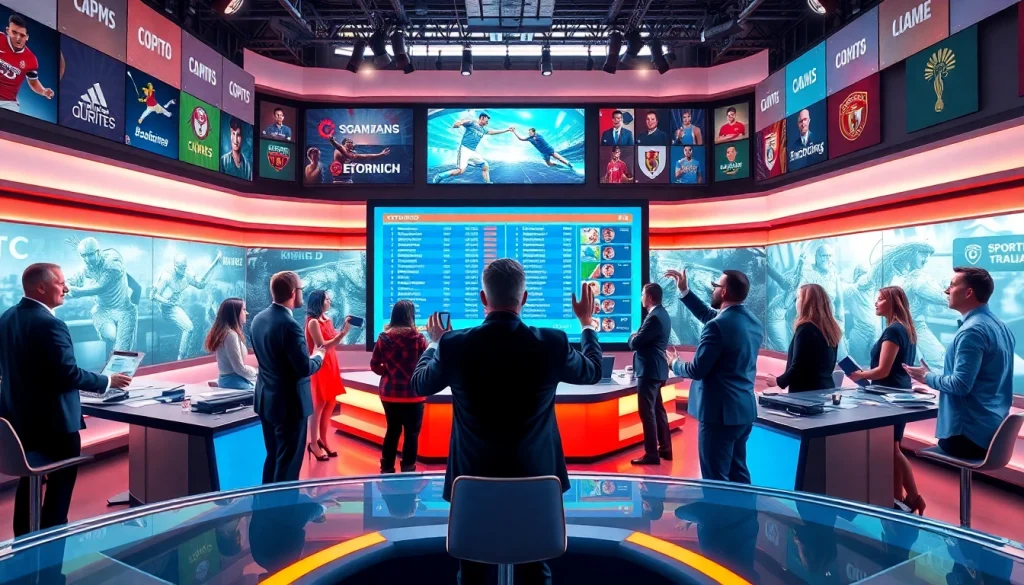
Understanding the Basics of Sports Broadcasting
What is Sports Broadcasting?
Sports broadcasting refers to the live transmission of sporting events to audiences through various mediums such as television, radio, and online streaming platforms. The primary goal of sports broadcasting is to create an engaging viewing experience that captivates fans and enhances their connection to the sport. This form of media combines several elements, including commentary, analysis, graphics, and highlight reels, to provide a comprehensive depiction of sports events. The evolution of sports broadcasting has seen it become a multi-billion-dollar industry, catering to millions of fans worldwide who rely on these broadcasts for entertainment, information, and community engagement. You can explore more about Sports Broadcasting as a dynamic field full of opportunities and new ventures.
Key Features of Effective Sports Broadcasting
Effective sports broadcasting hinges on several key features:
- High-Quality Production: Ensure that broadcasts are presented in high definition with excellent audio clarity, making the viewing experience immersive.
- Expert Commentary: Engaging commentary from knowledgeable analysts adds depth to the viewing experience, providing context and insights that enhance fans’ understanding of the game.
- Real-Time Updates: Timely updates on scores, player statistics, and game developments are crucial for maintaining viewer engagement, especially in fast-paced sports.
- Interactive Features: Incorporating viewer interaction, such as polls or live social media feeds, can significantly increase engagement and make audiences feel part of the event.
- Accessibility: Providing multiple language options and closed captioning ensures the content reaches a broader audience, catering to diverse community needs.
The Role of Technology in Sports Broadcasting
Advancements in technology are at the heart of transforming sports broadcasting into an exciting and interactive experience. Innovations such as high-definition cameras, drones for aerial coverage, and enhanced graphics have enriched how fans experience sports. One of the noteworthy developments is the adoption of 4K Ultra HD, which provides stunningly clear visuals, allowing viewers to see intricate details like player expressions and field conditions. Moreover, technology enables broadcasters to utilize replay systems powered by artificial intelligence, enhancing analysis and providing thorough post-event breakdowns, which elevate viewer engagement significantly.
Emerging Trends in Sports Broadcasting
The Rise of Streaming Services
The emergence of streaming services has revolutionized how viewers consume sports content. Unlike traditional cable broadcasting, streaming platforms offer on-demand access to games, allowing fans to watch events anytime, anywhere, and on various devices. This flexibility caters to the changing lifestyles of audiences, particularly younger demographics who favor mobile viewing. Furthermore, the rise of subscription services has created opportunities for niche sports and smaller leagues to reach dedicated fanbases without the hefty marketing costs typically associated with traditional broadcasting.
Increased Engagement through Social Media
Social media has emerged as a powerful tool in the realm of sports broadcasting, driving fan engagement and interaction. Platforms like Twitter, Facebook, and Instagram allow broadcasters to reach audiences in real-time, providing instant updates, highlights, and behind-the-scenes content. Not only do these channels enhance viewer engagement, but they also encourage fans to discuss events and form online communities. The interaction nurtured through social media bridges the gap between creators and consumers, fostering loyalty and improving overall satisfaction with the viewing experience.
Fan-Centric Broadcasting Experiences
With a growing emphasis on personalized content, fan-centric broadcasting is becoming increasingly popular. This approach goes beyond traditional broadcasts by offering customized viewing experiences that cater to individual preferences. For example, fans might choose different commentary teams, camera angles, or statistical overlays while watching an event. Such options not only enhance viewer enjoyment but can also attract a more extensive audience, leading to potentially increased revenue streams for broadcasters through advertising and subscriptions.
Innovations Shaping Sports Broadcasting
Augmented Reality and Data Visualization
Augmented reality (AR) is becoming a significant element of modern sports broadcasting, providing viewers with interactive graphics that enhance understanding and engagement during broadcasts. By overlaying relevant statistics, player information, and tactical commentary directly onto the broadcast, AR transforms how audiences engage with the content. Data visualization tools also make complex statistics more digestible, helping fans analyze the game in real time and understand its intricacies better.
Enhanced Viewing Experiences with 4K and VR
The introduction of 4K resolution in sports broadcasting has set a new bar for visual clarity and realism. Coupled with virtual reality (VR) technologies, viewers can enjoy an immersive experience that places them at the heart of action, allowing them to feel as if they are actually present at the game. VR technology facilitates a more engaging experience, offering the ability to choose viewing angles and interact with game environments. The potential for VR to elevate sports experiences creates new avenues for broadcasting strategies and audience engagement.
Drones and Aerial Footage in Sports Coverage
Drones have revolutionized sports coverage by allowing broadcasters to capture breathtaking aerial footage that was previously impractical or impossible to obtain. Utilizing drones for live events provides stunning perspectives that significantly enhance the visual storytelling of a game’s narrative. This technology adds a new dynamic to sports broadcasting, from tracking player movements on the field to showcasing elaborate pre-event events or post-game celebrations. As drone technology continues to evolve, we can expect more innovative applications in sports coverage, making broadcasts even more engaging.
Best Practices for Sports Broadcasting
Developing Compelling Content for Audiences
Creating compelling content is essential in retaining audience interest. Broadcasters should strive to present in-depth narratives surrounding players, teams, and competitions that resonate with viewers. Incorporating interviews with athletes, behind-the-scenes footage, and pregame analyses enhances the overall broadcast and cultivates a richer viewing experience. Storytelling humanizes players, fostering emotional connections with audiences and increasing their investment in the outcomes of games.
Leveraging Analytics for Better Engagement
Utilizing advanced analytics can significantly improve viewer engagement by tailoring content to audience preferences and behaviors. By analyzing data on viewer habits, broadcasters can identify which aspects resonate the most with fans, allowing them to refine their programming strategies effectively. Metrics such as viewer engagement, average watch times, and social media interactions provide insights that help broadcasters craft content that aligns with audience interests, ensuring a more successful broadcasting experience.
Ensuring Accessibility for All Viewers
Ensuring accessibility is vital in satisfying diverse audience needs. This can be achieved through closed captioning, multiple language options, and user-friendly interfaces for various platforms. Furthermore, making select content available in high-definition and providing descriptive audio enables a broader audience range to access and enjoy sports programming. Emphasizing inclusivity promotes viewer loyalty and expands the overall reach of broadcasts.
Measuring Success in Sports Broadcasting
Key Performance Indicators to Track
Measuring success in sports broadcasting relies heavily on analyzing key performance indicators (KPIs). Metrics such as viewership ratings, average audience engagement scores, and social media reach provide a clear picture of how well content is resonating with audiences. In addition, understanding demographic trends can help broadcasters adapt their strategies to attract new viewer segments and retain existing fans effectively.
Audience Feedback and Engagement Levels
Engaging with audience feedback is vital for broadcasters seeking to enhance their content. Gathering input through surveys, focus groups, and social media interactions allows broadcasters to better understand viewer perspectives and preferences. Monitoring engagement levels during broadcasts, including comments and shares, provides valuable insight into how audiences are reacting to various programming elements, helping refine future broadcasts.
Adapting Strategies Based on Viewer Trends
Flexibility in broadcasting strategies is key to remaining relevant and successful in a continuously evolving industry. Monitoring viewer trends enables broadcasters to adapt content and adjust strategies promptly. For example, if data indicates a rising interest in specific sports or viewing formats, broadcasters can respond by adjusting their programming and marketing efforts accordingly. Adaptability fosters resilience in a competitive landscape and enhances the overall viewer experience.
FAQs
What is sports broadcasting?
Sports broadcasting refers to the live transmission of sporting events over various platforms, including television, radio, and online streaming.
How has technology impacted sports broadcasting?
Technology has revolutionized sports broadcasting by introducing high-definition coverage, interactive features, and innovative storytelling techniques.
Why is engagement important in sports broadcasting?
Engagement is crucial as it enhances viewer experience, encourages loyalty, and drives revenue through advertisements and subscriptions.
What are some current trends in sports broadcasting?
Current trends include the rise of live streaming, the use of augmented reality, and increased viewer interaction through social media.
How can broadcasters measure success?
Success can be measured through key performance indicators such as viewership ratings, audience demographics, and engagement metrics.